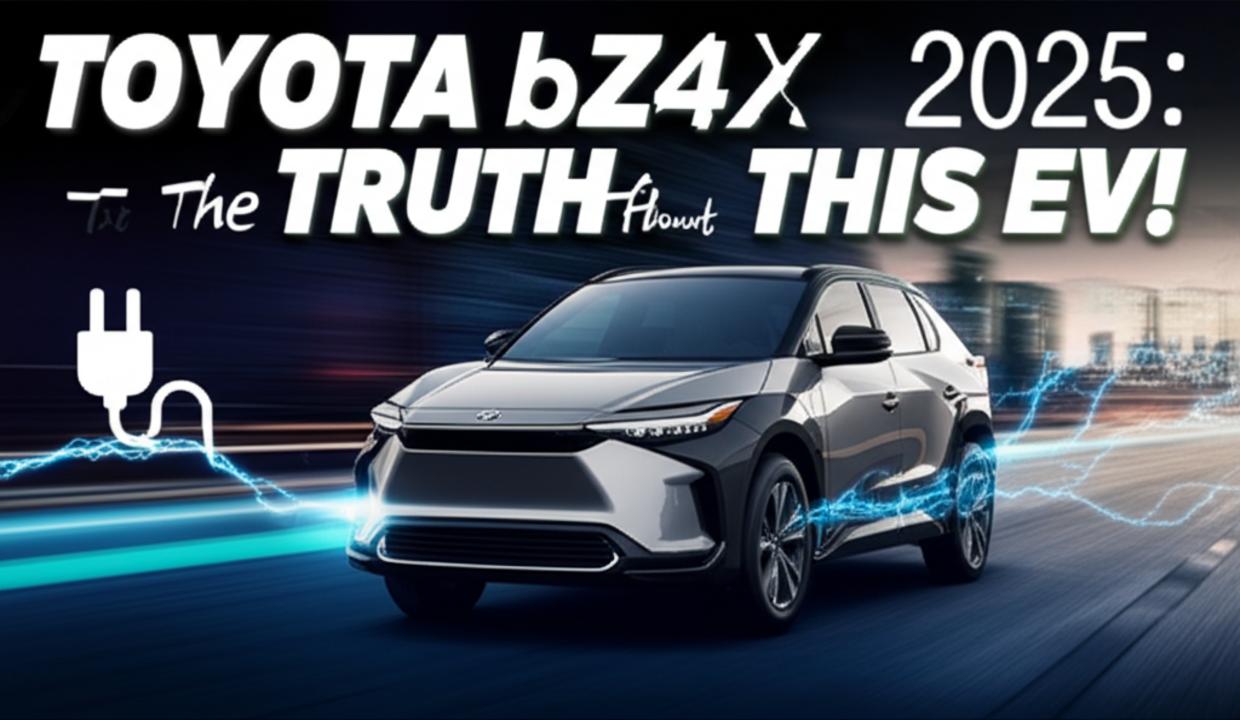
Welcome to our comprehensive 2025 Toyota bZ4X review! As the automotive world rapidly shifts towards electrification, Toyota’s entry into the dedicated electric SUV segment with the bZ4X electric SUV generates considerable interest. This article aims to provide an in-depth, unbiased look at the 2025 Toyota bZ4X, helping you determine if this compact all-electric vehicle aligns with your lifestyle and driving needs.
From its distinctive design and interior comfort to its performance, range, and charging capabilities, we’ll dissect every aspect. Our goal is to offer a clear understanding of where the bZ4X excels and where it might fall short against its increasingly competitive rivals. Is the 2025 Toyota bZ4X the right electric vehicle for your garage? Let’s find out.
Main Highlights: Toyota bZ4X 2025 Review
The 2025 Toyota bZ4X enters the market as a compelling option for those seeking a reliable and comfortable electric SUV. It’s frequently praised for its incredibly smooth ride quality, making daily commutes and city driving a pleasant experience. Coupled with a surprisingly spacious interior, it offers a family-friendly environment that many drivers will appreciate.
Its performance, particularly in urban settings, is often described as peppy, providing ample acceleration for navigating traffic. However, our Toyota bZ4X 2025 review wouldn’t be complete without acknowledging its primary challenges: a somewhat limited driving range and average charging speeds. These factors position the bZ4X as a strong contender for city dwellers or as a second family vehicle, but perhaps less ideal for frequent long-distance travelers.
Range and Efficiency: How Far Can It Really Go?
One of the most critical considerations for any electric vehicle is its driving range. The 2025 Toyota bZ4X offers different figures based on its drivetrain configuration. The front-wheel-drive (FWD) single-motor variant boasts an EPA-rated range of up to 252 miles, which sounds promising on paper. Opting for the dual-motor, all-wheel-drive (AWD) version slightly reduces this to an EPA-rated 222 miles.
However, real-world testing, especially concerning highway driving, paints a different picture. Many drivers and expert reviewers have found the actual highway range to be considerably lower than advertised, often falling into the 160-210 miles bracket. This discrepancy is a significant point for potential buyers to consider, as it can impact the feasibility of longer journeys. For a deeper dive into real-world performance metrics, you can often find detailed reports from automotive experts like those at Car and Driver’s Toyota bZ4X section.
In terms of efficiency, the bZ4X performs well in city conditions, achieving up to 131 MPGe. This reflects its strong regenerative braking and optimized power delivery for stop-and-go traffic. On highways, however, the dual-motor version’s efficiency can drop below 110 MPGe, further underscoring its preference for urban environments. This “bZ4X range” characteristic is vital for understanding its true capabilities.
Performance: Zippy City Drives, But Not a Speed Demon
When it comes to raw power, the 2025 Toyota bZ4X offers respectable, though not groundbreaking, performance. The front-wheel-drive model is equipped with a 201-hp electric motor, providing adequate power for most daily driving scenarios. For those seeking more traction and a slight bump in acceleration, the all-wheel-drive version combines front and rear motors to produce a total of 214 hp.
Acceleration from 0 to 60 mph is achieved in approximately 6.4 seconds. While this is certainly quicker than many gasoline-powered compact SUVs, it falls short when compared to some of its direct electric competitors, such as the Ford Mustang Mach-E or the Volkswagen ID.4, which often boast quicker sprint times. Despite this, the bZ4X is well-regarded for its zippy acceleration in city driving. Its immediate electric torque makes merging into traffic and navigating urban streets feel effortless. The all-wheel-drive system also provides confident traction, a definite plus in varied weather conditions.
Charging Capabilities: Is It Ready for the Open Road?
The charging infrastructure and speed are crucial for electric vehicle owners, especially those planning longer trips. The 2025 Toyota bZ4X‘s charging capabilities are, frankly, one of its weaker points compared to the current market leaders. The onboard Level 2 (AC) charger is limited to 6.6 kW. This means a full charge from a 240V home charger will take a considerable amount of time, often longer than many competitors that offer 7.7 kW to 11.5 kW charging.
For DC fast-charging, the maximum rate for the bZ4X is capped at around 100 kW. This rate is significantly behind what many rivals offer, with market leaders capable of exceeding 170 kW, and some even reaching over 250 kW. This lower fast-charging rate means that topping up the battery on long road trips will take more time, potentially adding significant delays to your journey. This limitation makes the bZ4X less convenient for extensive long-distance travel, reinforcing its suitability for more localized driving.
Design, Interior, and Comfort: A Closer Look Inside
From an aesthetic standpoint, the 2025 Toyota bZ4X presents a stylish exterior. It features sleek LED headlights that give it a modern face, a coupe-like roofline that adds a sporty flair, and large wheels that contribute to its commanding presence. One notable design element, however, is the prominent plastic cladding around the wheel arches and lower body, which some find visually appealing for its rugged look, while others might prefer a more streamlined finish.
Stepping inside, the interior is generally well laid out, offering a distinctive and somewhat quirky cockpit-style display. The instrument cluster is positioned unusually high, intended to be viewed over the small steering wheel, creating a unique driving perspective. While the layout is functional, the interior quality has received mixed reviews. Many consumers describe the quality as *below expectations for its price*, which ranges from about $37,000 for the base model to fully loaded versions at around $47,000 in the US, or even higher in other markets (around $66,000).
Specific criticisms include the use of cheap plastic trim, rough finishes in certain areas, and reports of storage areas that can rattle, detracting from the overall premium feel. Despite these material concerns, the cabin is undeniably spacious, offering a family-friendly layout. Front-seat occupants will find ample room, but rear-seat comfort is somewhat compromised, particularly for taller passengers, due to the sloping roofline and battery placement which slightly raises the floor. For detailed consumer feedback on interior specifics, platforms like Edmunds’ 2025 Toyota bZ4X consumer reviews can be insightful.
Driving Dynamics and Ride Quality: A Smooth Urban Companion
One of the strongest attributes of the 2025 Toyota bZ4X is its exceptional ride quality. Drivers consistently praise its smooth and comfortable ride, which effectively soaks up road imperfections, making for a relaxed and pleasant experience, whether on city streets or suburban roads. The suspension is well-tuned to provide a compliant feel, contributing significantly to passenger comfort.
Handling is competent, feeling stable and predictable, especially good for everyday city and suburban use. While it may not offer the sporty dynamics of some rivals, it provides a confident and reassuring driving experience. However, some drivers have noted that wind and road noise can be noticeable in the cabin at higher speeds, which slightly detracts from the otherwise serene electric driving experience. This makes it a great choice for daily commutes but perhaps less serene for long, high-speed highway stretches.
Value and Market Positioning: Where Does the bZ4X Stand?
In the rapidly expanding electric compact SUV segment, the 2025 Toyota bZ4X holds a respectable, but not leading, position. It currently ranks around #9 among Best Electric Compact SUVs, largely due to its limitations in range and charging speed when compared to top-tier competitors. Despite this, it remains a decent choice for specific buyer profiles.
The bZ4X is particularly well-suited for city driving or as a second family vehicle, especially if your daily range needs are modest and you have convenient home charging access. Its lease prices and overall purchase cost are competitive within the segment, making it an accessible entry point into EV ownership for many. However, potential buyers might find that some rivals offer better overall value, particularly in terms of advanced technology, quicker charging, and longer driving ranges for a comparable price point. Understanding these dynamics is crucial for any Toyota bZ4X 2025 review.
What’s New in 2025?
For the 2025 model year, the Toyota bZ4X largely carries over the compelling package introduced in previous iterations, refining its presence in the compact electric SUV segment. While there aren’t revolutionary new features or dramatic redesigns, Toyota continues to optimize software and ensure robust production, building on the feedback from early adopters.
The focus remains on delivering a reliable and comfortable electric vehicle experience with the core Toyota bZ4X features that define it: a smooth ride, a spacious cabin, and reliable performance for daily use. Any minor updates or tweaks for 2025 are primarily aimed at enhancing user experience and solidifying its position as a practical choice for urban and suburban families looking to go electric.
Pros and Cons
| Pros | Cons |
|---|---|
| Exceptional smooth and comfortable ride quality. | Limited real-world driving range, especially on highways. |
| Spacious and family-friendly interior layout. | Slow Level 2 (6.6 kW) and DC fast-charging (100 kW) rates. |
| Peppy acceleration perfect for city driving. | Interior materials and finishes can feel cheap for the price. |
| Reliable Toyota brand reputation and build quality. | Noticeable wind and road noise at higher speeds. |
| Competent handling suitable for daily use. | 0-60 mph acceleration slower than key competitors. |
| Competitive lease and purchase costs for an EV. | Some interior storage areas may rattle. |
| Good all-wheel-drive traction available. | Rear seat comfort somewhat compromised for taller adults. |
Competitive Landscape: bZ4X vs. The Rivals
The electric compact SUV market is fiercely competitive, and the 2025 Toyota bZ4X faces formidable opponents. Its primary rivals, the Hyundai Ioniq 5 and Kia EV6, often surpass the bZ4X in crucial areas like driving range, charging speeds, and perceived interior refinement. Both the Ioniq 5 and EV6 typically offer longer EPA-rated ranges and significantly faster DC fast-charging capabilities, making them more suitable for road trips.
While the bZ4X boasts a smooth ride, its interior, as noted in our Toyota bZ4X 2025 review, struggles with material quality compared to the more upscale cabins of its Korean counterparts. In terms of performance, vehicles like the Ford Mustang Mach-E and the Volkswagen ID.4 also offer quicker acceleration, although the bZ4X‘s city acceleration remains commendable. The bZ4X‘s strength lies in its proven Toyota reliability and comfortable urban driving experience. For those prioritizing a smooth, predictable ride and brand trust over cutting-edge charging tech or luxurious interiors, the bZ4X remains a viable option.
Expert Opinions and Real-World Insights
A recent detailed video review from April 2025 further highlights the dual nature of the 2025 Toyota bZ4X. Experts consistently praise the vehicle’s balanced handling and decent acceleration, particularly in city environments where its immediate torque shines. These attributes contribute significantly to a pleasant daily driving experience, confirming the comfort aspects of the bZ4X electric SUV.
However, the review reiterates the persistent issues of limited real-world range and noticeable cabin noise as the main downsides. This reinforces the consensus that the bZ4X is suitable primarily for urban use or for budget-conscious buyers who may not need extensive range or frequent fast charging. As Consumer Reports outlines in their 2025 Toyota bZ4X road test report, it performs well for everyday tasks but isn’t a long-distance champion.
FAQ
- What is the real-world range of the 2025 Toyota bZ4X?
The 2025 Toyota bZ4X has an EPA-rated range of up to 252 miles (FWD) and 222 miles (AWD). However, real-world highway testing has shown ranges often falling between 160-210 miles, significantly less than advertised and competitors. - How fast does the bZ4X charge?
The bZ4X‘s Level 2 (AC) onboard charger is limited to 6.6 kW, which is slower than many rivals. Its DC fast-charging maxes out at 100 kW, well below market leaders that can exceed 170 kW, making fast charging stops longer. - Is the Toyota bZ4X good for long trips?
Due to its limited real-world range and slower DC fast-charging capabilities, the 2025 Toyota bZ4X is generally less ideal for long-distance driving. It’s better suited for city commuting and shorter trips. - What are the main competitors of the 2025 bZ4X?
Key competitors of the 2025 Toyota bZ4X include the Hyundai Ioniq 5, Kia EV6, Volkswagen ID.4, and Ford Mustang Mach-E. These rivals often offer superior range, charging speeds, or performance. - Is the interior quality good in the 2025 bZ4X?
While the interior is spacious and well-laid out, many consumers find the material quality, with its prevalence of cheap plastic trim and rough finishes, to be below expectations for the vehicle’s price point. - What are the standout Toyota bZ4X features?
The 2025 Toyota bZ4X‘s standout features include its exceptionally smooth and comfortable ride quality, a spacious and family-friendly cabin, peppy acceleration ideal for city driving, and Toyota’s renowned reliability.
Conclusion
In summary, the 2025 Toyota bZ4X presents itself as a comfortable, well-designed electric SUV with the significant advantage of Toyota’s long-standing reputation for reliability. For urban commuters or families seeking a second vehicle with modest daily range needs, the bZ4X offers a smooth, quiet, and capable electric driving experience. Its comfortable ride and spacious interior make it a practical choice for daily errands and city adventures.
However, our Toyota bZ4X 2025 review clearly highlights its primary drawbacks: a real-world driving range that can disappoint and charging speeds that lag behind competitors. These limitations make it less compelling for frequent long-distance travelers or premium EV buyers accustomed to faster charging and more refined interiors offered by rivals. Ultimately, the 2025 Toyota bZ4X is a solid, no-frills entry into the EV market, perfect for a specific niche of buyers, but perhaps not the all-encompassing solution for everyone. Consider your primary driving habits and range requirements carefully before deciding if the 2025 Toyota bZ4X is the right fit for you. To learn more about our team, visit our About Us page, or if you have questions, please use our Contact page.
#ToyotaEV #ElectricSUV #bZ4XReview
Watch More in This Video
Disclaimer: All images and videos are sourced from public platforms like Google and YouTube. If any content belongs to you and you want credit or removal, please inform us via our contact page.