Welcome to our in-depth look at the Fisker Ocean 2025, a vehicle that has captivated attention for its innovative design and bold promises, yet now stands as a complex case study in the rapidly evolving electric vehicle market. Is the 2025 Fisker Ocean a groundbreaking EV you should consider, or a cautionary tale? We’re diving deep into what makes this Fisker Ocean product unique, its strengths, its significant challenges, and what potential buyers or current owners need to know about its future.
Our comprehensive Fisker Ocean review aims to cut through the noise, offering an honest perspective on its design, driving dynamics, technological features, and most importantly, the impact of its manufacturer’s recent struggles. By the end, you’ll have a clearer picture of whether the Fisker Ocean 2025 is worth navigating its complexities, or if other options might better suit your needs. Let’s explore the reality behind the hype.
Main Highlights: Fisker Ocean 2025 Review
The Fisker Ocean 2025, at its core, is an electric SUV brimming with unique ideas. It boasts an attractive, well-proportioned exterior and an interior that feels modern and spacious. A standout feature is its innovative semi-transparent solar roof, capable of adding impressive range under ideal conditions.
However, the narrative for the 2025 Fisker Ocean is profoundly shaped by its manufacturer’s bankruptcy and halted production. This has cast a long shadow over its future, impacting software updates, warranty services, and the overall ownership experience, transforming it into a mixed prospect for anyone considering this distinctive EV.
Performance and Key Features
The driving experience of the Fisker Ocean 2025 is generally smooth, thanks to its electric drivetrain. On highways, it delivers quiet power, making for a serene journey. The initial impressions highlight a vehicle that is pleasant to operate in many regards, offering a distinct feel on the road.
However, this experience isn’t without its quirks. Owners have noted somewhat grabby regenerative brakes, which can take some getting used to. The ride quality can also be a bit bouncy on certain surfaces, detracting slightly from the otherwise composed feel.
A significant downside, especially for a modern EV, is the basic cruise control system. Adaptive cruise control, a feature widely expected in this segment, was a promised update that, unfortunately, never materialized due to Fisker’s financial collapse. This limits its appeal for drivers seeking advanced assistance systems.
One of the most innovative aspects of the Fisker Ocean product is its functional solar roof. Under optimal conditions, this unique feature can add approximately 1,500 miles of range per year, making it a genuinely practical innovation for daily driving and energy efficiency. Another clever feature is the “California mode,” which opens all windows simultaneously, including the rear quarter windows and the sunroof, for an open-air experience unlike any other SUV.
Design, Interior, and Comfort
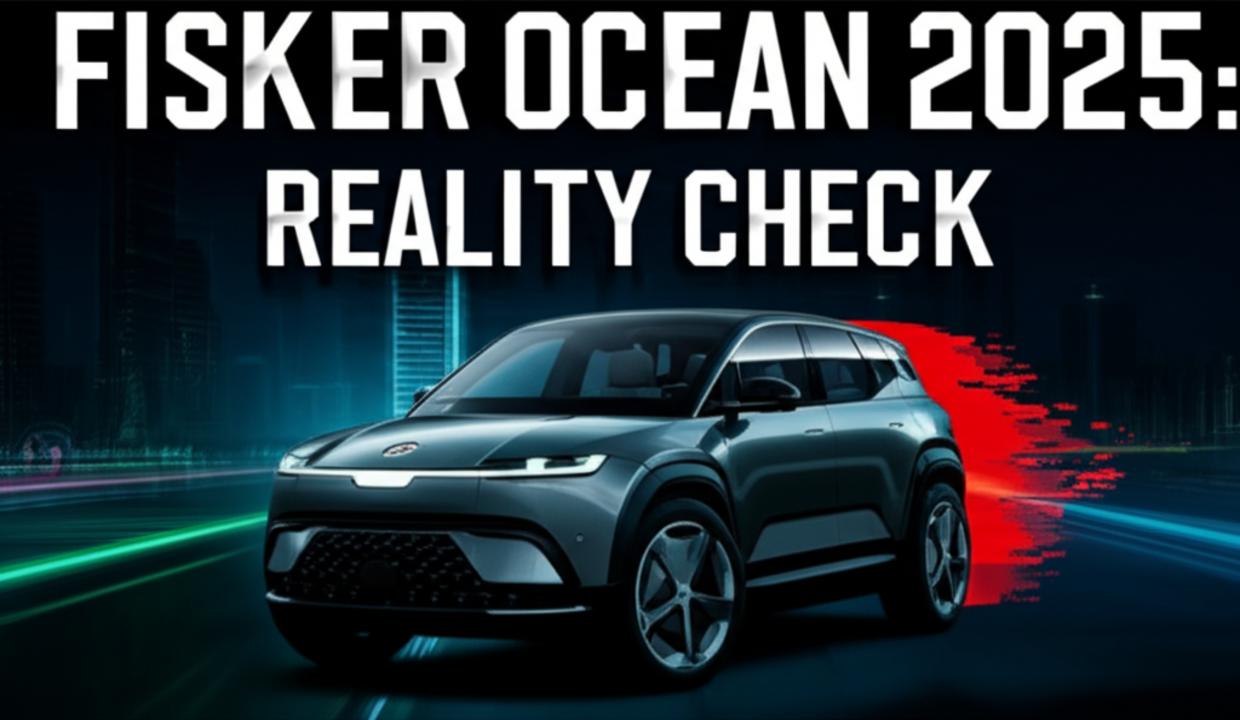
The design of the Fisker Ocean 2025 truly stands out in the crowded EV market. Its exterior is attractive and well-proportioned, featuring clean lines and a modern aesthetic that helps it differentiate itself from competitors. It looks undeniably sleek and contemporary.
Inside, the cabin is innovative, spacious, and crafted with high-quality materials. The minimalist dashboard and large central touchscreen create a modern ambiance. The seating is comfortable, offering ample legroom and headroom for both front and rear passengers, making it suitable for long journeys.
While the interior design is commendable, some elements present practical challenges. The digital rear-view mirror, though futuristic, can offer shallow rear visibility. Furthermore, the rear camera lenses are prone to getting dirty, and the absence of a washer system means drivers must manually clean them, which can be inconvenient, especially in adverse weather conditions.
Technology and Safety
The Fisker Ocean 2025 aimed for technological innovation, and in some areas, it delivered. Its large central touchscreen controls most vehicle functions, offering a modern user interface. Cloud connectivity allows for some software functionality and remote services, which, encouragingly, are expected to remain available for at least five more years.
However, the story here is also one of unfulfilled potential due to the company’s fate. The lack of advanced driver assistance systems (ADAS), particularly adaptive cruise control, is a notable omission compared to most rivals. While it features basic cruise control, it falls short of the comprehensive safety and convenience suites buyers expect from a premium EV today.
Safety is a paramount concern for any vehicle, and while the Fisker Ocean incorporates standard safety features, the interruptions to software development mean that potential updates or refinements to these systems are now uncertain. The reliance on digital cameras for crucial functions like the rear view, combined with their susceptibility to dirt without a cleaning mechanism, raises minor but important safety and convenience considerations for everyday driving.
What’s New in 2025?
For the Fisker Ocean 2025, “what’s new” isn’t about new features or model year updates in the traditional sense. Instead, it revolves around the dramatic shift in the company’s status. Fisker has unfortunately entered bankruptcy, leading to an indefinite halt in production after approximately 11,000 vehicles were manufactured.
This critical development means that new Fisker Ocean 2025 vehicles are no longer being produced or sold directly from the manufacturer. The focus has shifted from expansion to the support of existing vehicles. This includes significant uncertainties regarding future software updates, warranty services, and the overall longevity of official support for the Fisker Ocean product.
However, there’s a glimmer of hope born from necessity. The non-profit Fisker Owners Association has proactively secured access to diagnostic tools. This initiative supports independent service centers, with 21 currently operating in the US and 3 in Canada, and plans for further expansion. This grassroots network is a vital lifeline for current owners, attempting to fill the void left by the manufacturer’s collapse and ensuring some level of support for the Fisker Ocean community.
Pricing and Variants
Discussing the pricing and variants of the Fisker Ocean 2025 is now largely a theoretical exercise, given the company’s bankruptcy and the indefinite halt of production. When it was initially launched, the Fisker Ocean was positioned as a competitive entry in the premium electric SUV segment, with various trims like the Sport, Ultra, and Extreme, each offering different range and feature sets.
Original pricing aimed to offer value for its innovative features and stylish design. However, with production ceased, these official prices are no longer relevant for new purchases directly from the manufacturer. Any available Fisker Ocean vehicles on the market would now be pre-owned, with their pricing dictated by market demand, condition, and the inherent uncertainties of buying a vehicle from a bankrupt automaker.
The lack of ongoing factory support, while partially mitigated by independent initiatives, significantly impacts the perceived value and long-term cost of ownership. This makes a traditional pricing comparison difficult for the 2025 Fisker Ocean, as its value proposition has fundamentally shifted from a new car purchase to a unique, potentially high-maintenance acquisition for enthusiasts.
Pros and Cons
| Pros | Cons |
|---|---|
| Attractive Design: Sleek, modern exterior and innovative, spacious interior. | Company Bankruptcy: Production halted indefinitely, future uncertain. |
| Innovative Solar Roof: Adds significant range under ideal conditions. | Reliability Issues: Reports of software glitches and other problems. |
| Unique “California Mode”: Offers a distinctive open-air driving experience. | Limited Service Network: Very few authorized service points, increasing inconvenience. |
| Quiet Electric Drive: Smooth and quiet on highways. | Basic Cruise Control: Lacks adaptive cruise control and other advanced ADAS. |
| High-Quality Interior Materials: Premium feel throughout the cabin. | Rear Camera/Mirror Issues: Shallow visibility, dirty lenses without washer. |
Bonus Section
Competitive Analysis: Where the Fisker Ocean Stands
The Fisker Ocean, despite its unique attributes, faces stiff competition from established automakers and other EV startups. Had it continued production and development, it would have vied for market share against vehicles like the Tesla Model Y, Hyundai Ioniq 5, and Kia EV6. These competitors typically offer robust charging networks, comprehensive warranty programs, and, crucially, full suites of advanced driver assistance systems (ADAS), including adaptive cruise control and lane-keeping assistance.
The Fisker Ocean 2025‘s primary competitive advantages were its distinctive design and the innovative solar roof. However, its significant drawbacks, such as the company’s bankruptcy and the resulting uncertainties in service and software updates, severely hamper its competitive edge. While it shines in design ingenuity, it falls short in the critical areas of long-term support and advanced technology that consumers now expect from an EV.
Potential buyers considering the 2025 Fisker Ocean are often advised to look at alternatives that offer better long-term reliability and service infrastructure, as highlighted in recent market analyses. This ensures a smoother ownership experience, which is paramount for electric vehicles. For a deeper dive into the challenges faced by the Fisker Ocean, you can read this comprehensive post-mortem review from Green Car Reports.
Expert Opinions: The Unfinished Potential
Expert reviews consistently praised the Fisker Ocean for its ambitious design and innovative elements. Many acknowledged its potential to be a strong contender in the EV market. However, a recurring theme in these assessments, especially after the company’s financial troubles, is the sense of unrealized potential.
Carwow’s Fisker Ocean review, for instance, touches upon its distinctive styling and solar roof benefits, while also noting early driving impressions that revealed both strengths and weaknesses. The consensus suggests that while the car itself had promising aspects, the underlying corporate instability proved to be its Achilles’ heel. The dream of a unique, eco-conscious EV was hampered by production interruptions, reliability issues, and the inability to deliver promised features and consistent software improvements.
This situation leaves current owners in a challenging position, though community efforts are making a difference. The story of the Fisker Ocean 2025 is a prime example of how even a well-designed product can struggle without robust financial backing and a stable long-term strategy for customer support. You can explore more about its features and early impressions by visiting Carwow’s Fisker Ocean page.
FAQ
-
Is the Fisker Ocean 2025 still in production?
No, production of the Fisker Ocean has been halted indefinitely as Fisker Inc. has entered bankruptcy. Approximately 11,000 vehicles were made before production ceased, meaning new models are no longer available directly from the manufacturer.
-
What about warranties and service for the Fisker Ocean?
Official warranty services from Fisker Inc. are uncertain due to the bankruptcy. However, a non-profit Fisker Owners Association has secured diagnostic tools to support a growing network of independent service centers, offering a glimmer of hope for repairs and maintenance. Initially, Fisker was blocked from making owners pay upfront for repairs, and must now cover them directly, but availability of authorized service points remains limited.
-
Can I still buy a Fisker Ocean 2025?
You cannot buy a new Fisker Ocean 2025 directly from the manufacturer. Any available vehicles would be pre-owned, and prospective buyers should be aware of the challenges related to parts, service, and long-term support due to the company’s financial situation. Researching the #FiskerOcean community is advised.
-
Does the Fisker Ocean have adaptive cruise control?
No, the Fisker Ocean does not have adaptive cruise control. While it was a promised update, it never arrived due to the company’s bankruptcy. The vehicle is equipped with only a basic cruise control system, which is a notable disadvantage compared to many competitors.
Conclusion
The Fisker Ocean 2025 is undeniably a vehicle of intriguing contrasts. It showcases visionary design, an innovative solar roof, and a commitment to sustainability that was genuinely exciting. Its spacious, modern interior and smooth electric drive promised a compelling ownership experience.
However, the narrative is overwhelmingly dominated by the company’s financial collapse, leading to halted production, uncertain software updates, and a challenging service landscape. While community efforts are striving to support existing owners, the absence of a robust manufacturer backing for the Fisker Ocean product makes it a cautious choice.
For those drawn to its unique aesthetics and eco-friendly features, the Fisker Ocean 2025 represents a gamble, one that requires a deep understanding of its limitations and the willingness to navigate a less traditional ownership path. For most buyers seeking a dependable EV with strong long-term support, exploring alternatives might be a more practical decision. We hope this honest Fisker Ocean review has provided you with the clarity you needed. Feel free to share your thoughts in the comments or read other articles on our site.
Watch More in This Video
Discover more about the Fisker Ocean’s design, driving dynamics, and the complexities of ownership in this detailed video review.
Disclaimer: All images and videos are sourced from public platforms like Google and YouTube. If any content belongs to you and you want credit or removal, please inform us via our contact page.